Field notes: when the lease clock and the turbine clock disagree
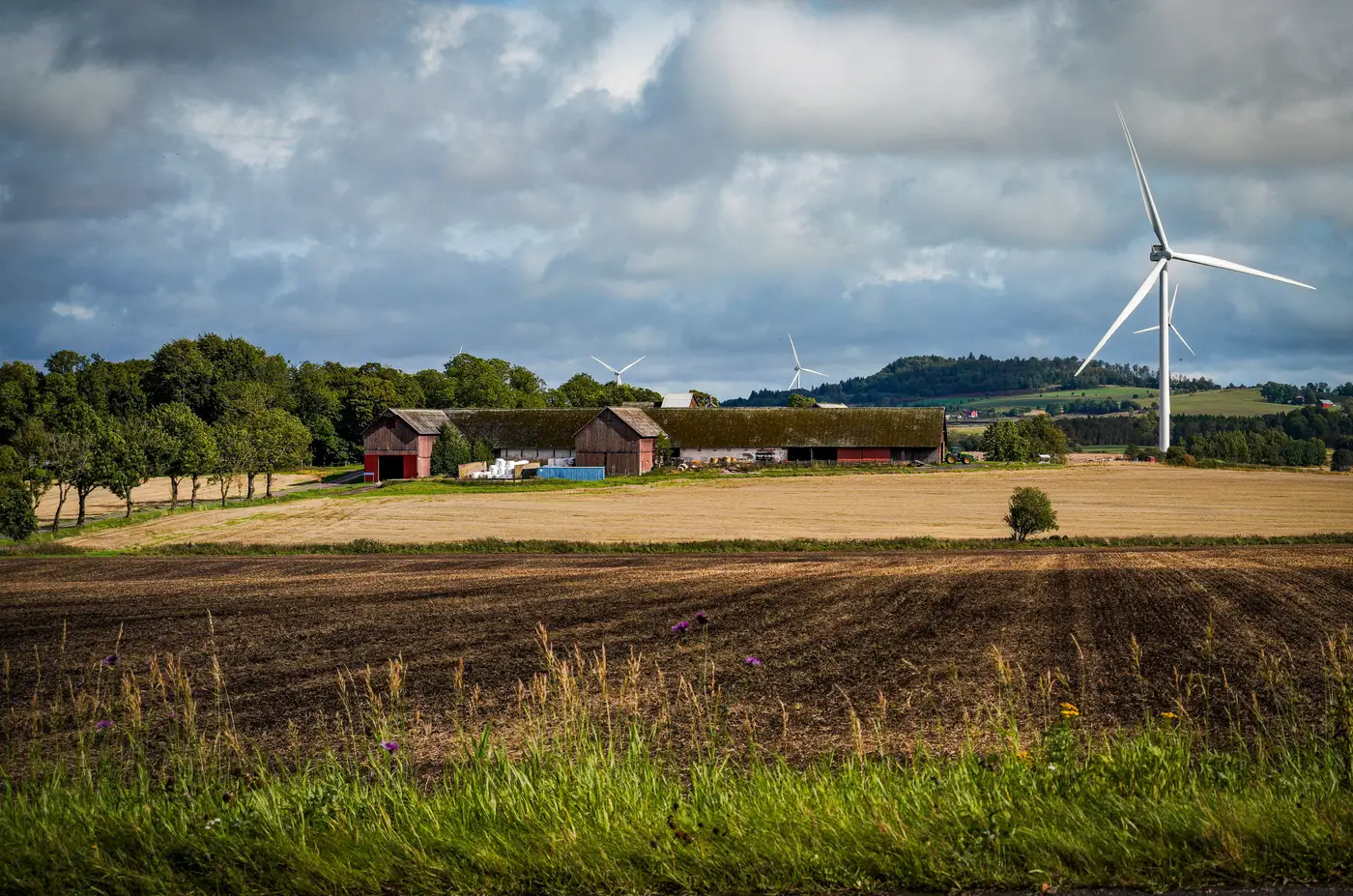
There's a particular kind of site that shows up in portfolio reviews and makes everyone go quiet for a second. It's a timing puzzle nobody wants to own, and the turbines are rarely the hard part.
The one I keep thinking about had nine turbines, installed in the early 2010s, mid-size machines with another decade and a half of mechanical life in them by most reasonable estimates. Gearboxes serviced on schedule, blades inspected, nothing alarming in the O&M reports. By turbine condition alone, this site wasn't going anywhere near a repowering conversation for years.
Except the land lease had five years left on it.
That's the gap that doesn't show up on a turbine age chart. You can build the most careful fleet-aging model in the world, cross-reference every nacelle against the manufacturer's service-life data, and still miss the fact that the thing keeping the turbines on that land expires long before the turbines themselves do. Mechanical life and lease life run on separate clocks, and they only get compared when someone happens to pull both documents at once.
What makes this particular mismatch harder to manage than the reverse case, turbines aging out while the lease still has runway, is simple: you control the clock on an aging fleet. You decide when to commission the condition assessment, when to start the consent paperwork, when to pull the trigger. A lease that runs out in five years doesn't care about your repowering roadmap. The landowner can decline to renew, sell the land, or ask for terms you can't match, and none of that waits for your fleet-aging model to flag the site as a priority.
Portfolio teams tend to prioritize by turbine age because that's the number that's easy to pull. Commissioning date, model, done. Lease term lives in a different file, usually with legal, usually not cross-referenced against the technical fleet data unless someone goes looking. So a site like this one sits quietly mid-table in the repowering pipeline, ranked by "turbines are fine for now," while the actual deadline is the landowner relationship, not the gearbox.
The other thing about this kind of site: the planning history tends to be decent, precisely because it's been operating without incident for over a decade. Local objections that existed at construction have mostly settled. The grid connection is established. If you were ranking sites purely on how easy the consent push would be, this one might come out near the top, lease term aside. Which is exactly why it's worth separating "which turbines are old" from "which sites are actually approaching a forced decision," because those two lists don't overlap the way people assume.
None of this is a case for panic-repowering a perfectly good site five years early. It's a case for knowing which sites have that five-year lease clock running before it becomes a surprise in a renewal conversation. The turbines weren't the thing anyone needed to check. The land was.
If there's a pattern here, it's that the "candidates worth a consent push" list and the "oldest turbines" list are two different documents, and most portfolios only keep one of them current. We built a ranked view of repowering candidates precisely for the sites where turbine age tells you less than the lease, the land history, and how clean the imagery record looks for a consent application, because by the time someone cross-references all three by hand, the quiet five-year clock is already down to three.
Worth a look if your own fleet has a site or two where the paperwork and the hardware are telling different stories.