Blog
Nov 16, 2026
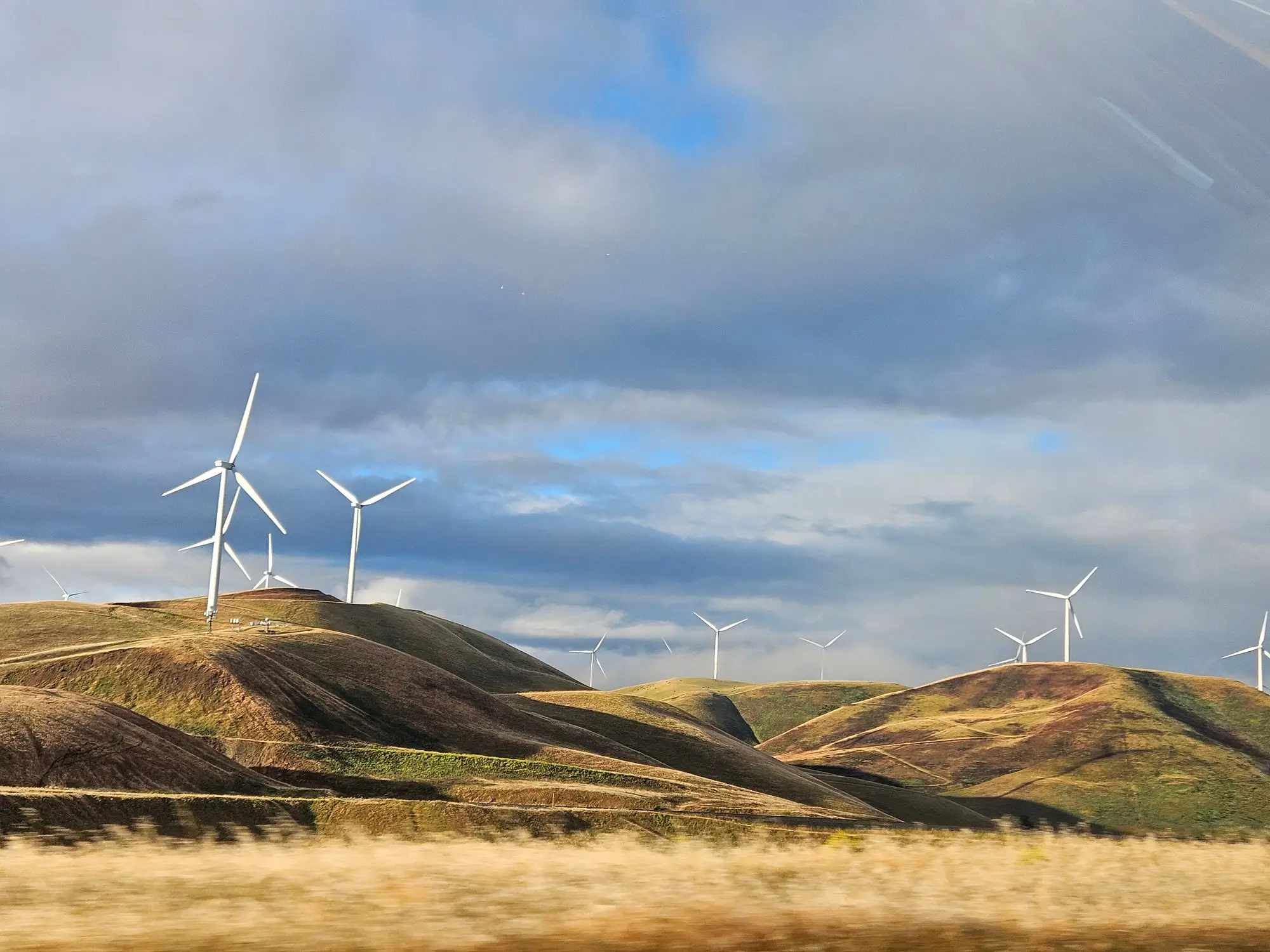 Field notes: the week two near-identical sites got opposite consent odds
Same turbine model, same commissioning year, same hub height. Why one site's consent odds looked good and the other's didn't.
Nov 16, 2026
 What is a landscape and visual impact reassessment, and why repowering needs a new one
Why the original LVIA from your consent doesn't carry over to a repower, and what a fresh visual impact reassessment needs to cover.
Nov 9, 2026
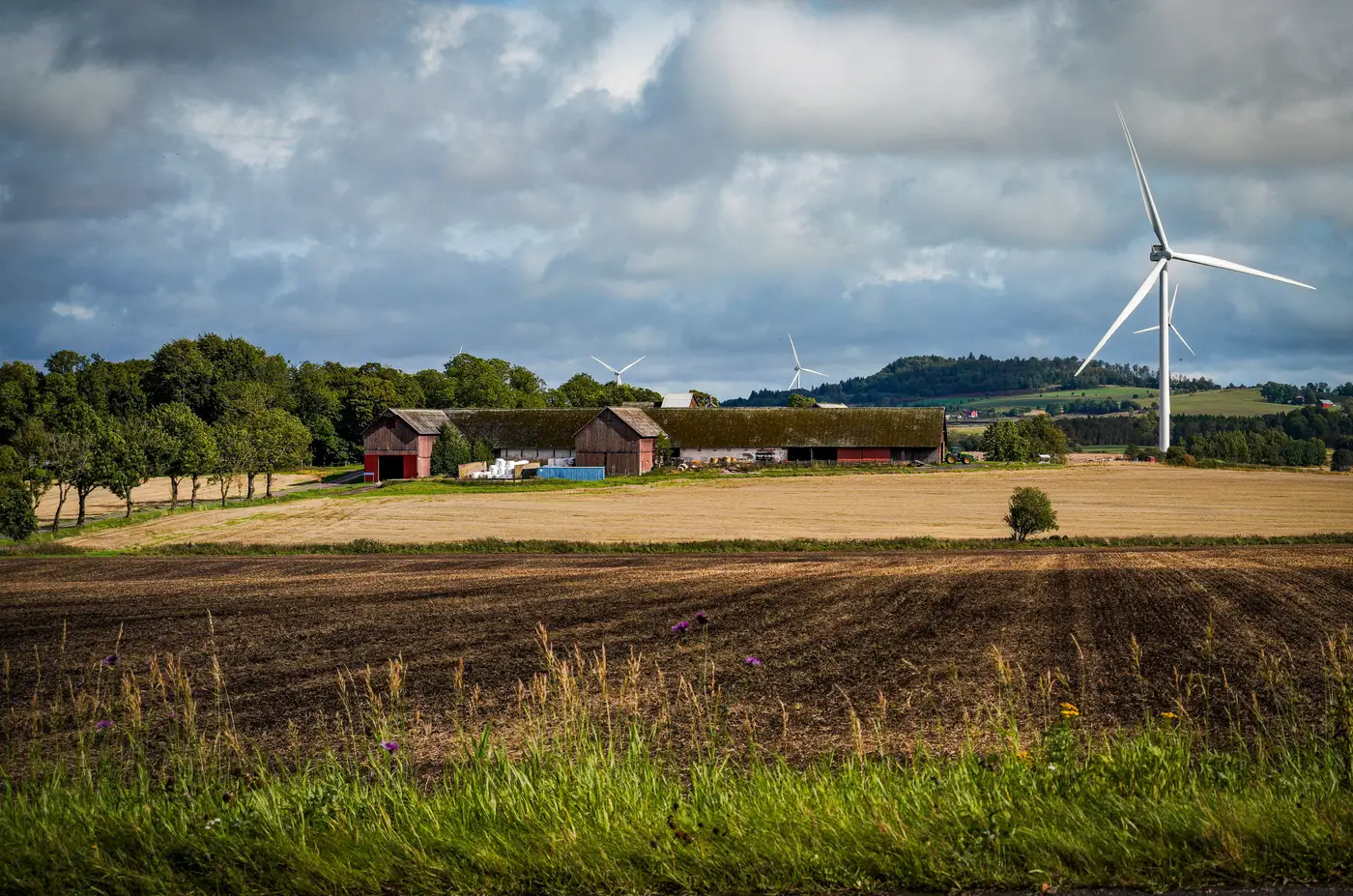 Comparing capacity factor across turbine generations on a repowering shortlist
Why raw capacity factor doesn't rank a repowering shortlist fairly, and how to normalize old vs new turbine output before you push for consent.
Nov 9, 2026
 What is a non-material amendment, and why it won't cover a repower
A non-material amendment can't carry a turbine swap through planning. Here's why, and which consent route a repower actually needs.
Nov 2, 2026
Field notes: the site everyone assumed was the easy consentA field-notes look at why the "easy consent" site on a wind portfolio often isn't, and why the awkward one sometimes is.
Nov 2, 2026
What a grid connection offer is, and why repowering resets the clockA portfolio manager's guide to grid connection offers and why swapping turbines on an aging site means reapplying, not amending, under current queue reform.
Oct 26, 2026
How to check community benefit fund commitments before a repowering consent pushA portfolio manager's checklist for auditing community benefit fund and Section 106 commitments before filing a repowering consent application.
Oct 26, 2026
What is a deed of variation, and why a wind lease needs one before repoweringA deed of variation amends an old wind lease for taller turbines. Here's what it changes and why landowner consent is the hard part.
Oct 19, 2026
Field notes: when the lease clock and the turbine clock disagreeA field-notes look at the sites where turbine condition says years left, but the land lease says otherwise, and why that mismatch hides in plain sight.
Oct 19, 2026
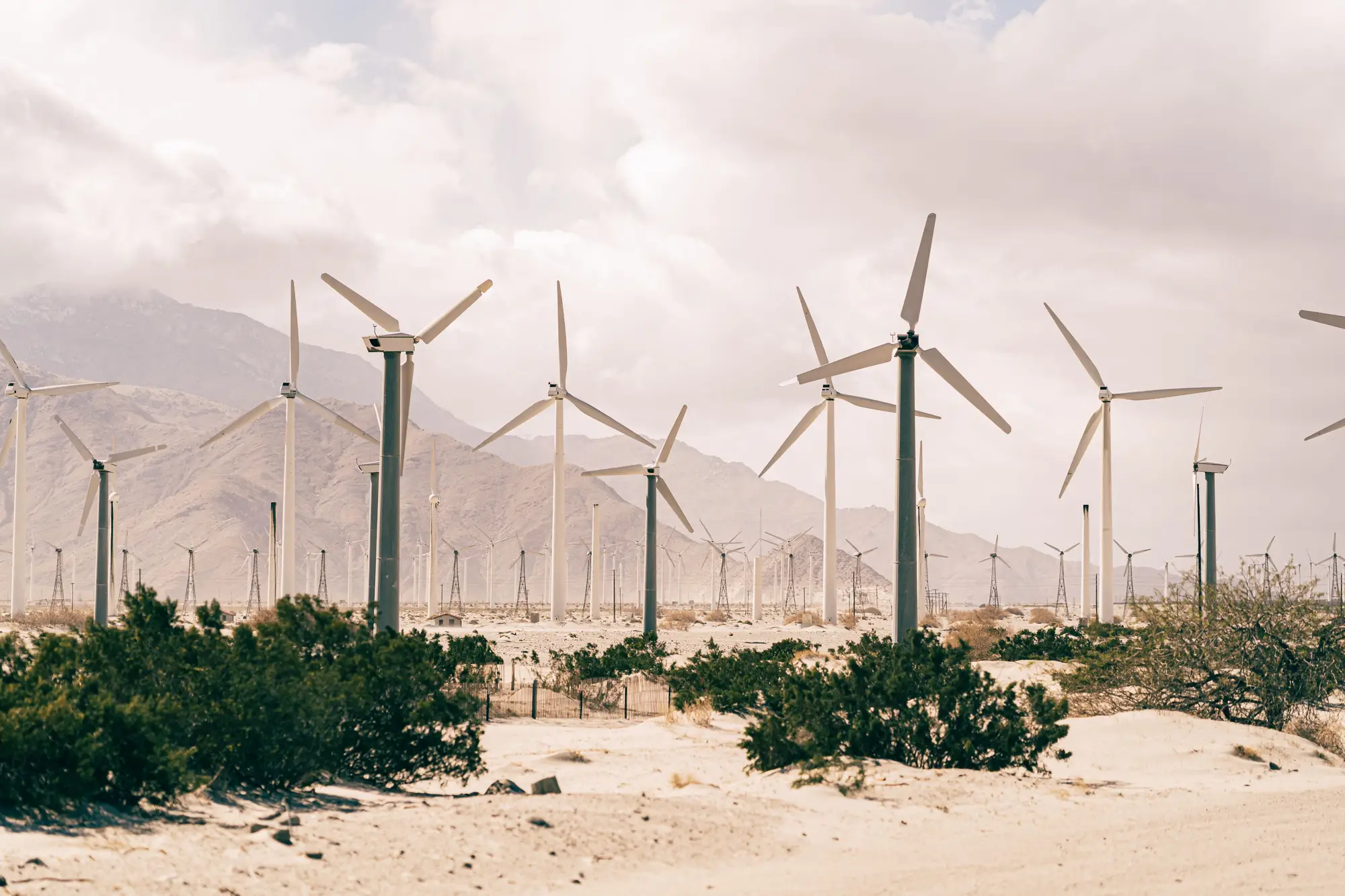 How to check whether a turbine model still has OEM spare parts support
How to tell whether your turbine model still gets OEM spare parts, from end-of-service notices to the quieter signs manufacturers leave behind.
Oct 14, 2026
Estimating turbine age when the commissioning paperwork isn't thereA practical way to bracket a turbine's install year from historical imagery when O&M records and COD dates are missing or unreliable.
Oct 14, 2026
What a Section 36 consent actually covers, and why repowering hinges on itSection 36 is the consenting route for Scottish wind above 50MW. Here's how it works, and why variation vs. new consent changes your repowering timeline.
Oct 13, 2026
How noise setback rules change when you repower with taller turbinesWhy a repower with taller turbines forces a fresh noise envelope assessment, and what that means for setback distance against the original ETSU-R-97 consent.
Oct 13, 2026
What counts as like-for-like repowering under UK planning policyA portfolio manager's guide to how UK planning authorities judge "like-for-like" turbine replacement, and why it's rarely a clean yes or no.
Oct 7, 2026
How to read a wind farm's original consent before a repowering applicationA practical guide to reading a wind farm's original consent conditions and S106 agreement before filing a repowering application.
Oct 7, 2026
How to identify a turbine model from hub height and blade length in satellite imageryA field method for working out turbine model from hub height and blade length in VHR imagery, and where the manual match falls apart at scale.
Oct 7, 2026
Repowering vs life extension: what's actually different for onshore windA portfolio-level look at repowering vs life extension for onshore wind, including partial vs full repower and when each route makes sense.
Oct 7, 2026
What counts as end of design life for a wind turbine?A plain explainer on turbine design life, the 20-year figure, and why the certified number rarely matches the real repowering trigger.