What is a deed of variation, and why a wind lease needs one before repowering
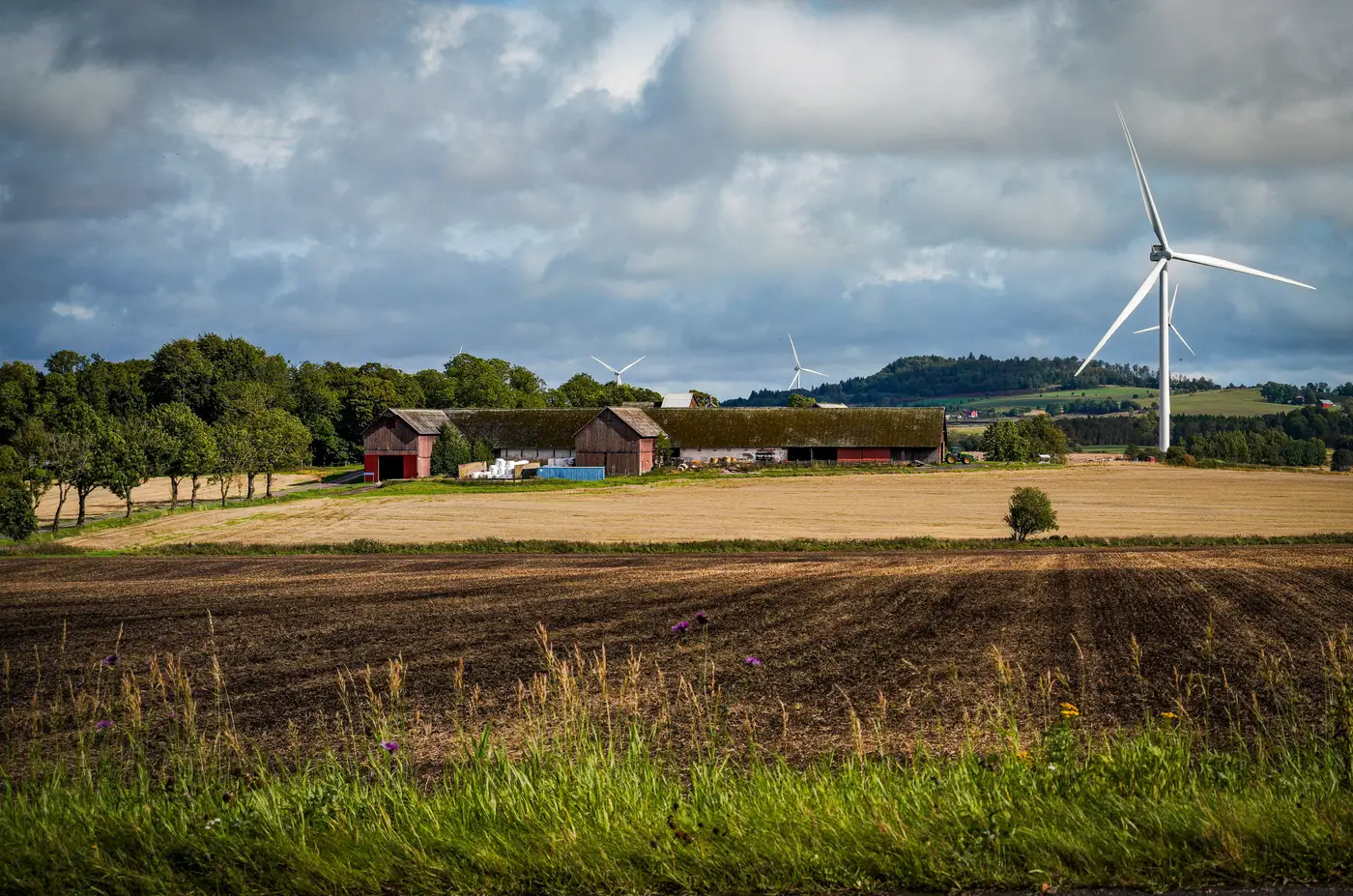
A wind lease signed fifteen or twenty years ago was written around one specific machine: a known hub height, a known blade sweep, a known foundation footprint. Repowering swaps that machine for something taller and longer-bladed, and the moment it does, half the clauses in the original lease stop matching reality. That mismatch is what a deed of variation exists to fix.
What the deed actually changes
A deed of variation is a legal document that amends named clauses of an existing lease without replacing the whole thing. The core grant of rights, the landowner letting a turbine sit on their land for a term of years, stays in place. What moves are the specifics tied to the old machine:
- the maximum permitted tip height and hub height
- the micrositing tolerance around each turbine's agreed position
- the number of turbines, if the repower changes the layout
- noise and shadow flicker limits written against the old model's output
- crane pad dimensions and access track specification for larger components
- sometimes the rent formula, if it's indexed to turbine capacity or output
Each of these gets drafted as a clause amendment, agreed by both parties, and registered the same way the original lease was. It's a narrower, faster document than starting a new lease from scratch, which is why most repower projects use one instead of renegotiating the whole agreement.
Why landowner consent is a separate problem from the paperwork
Having a deed of variation drafted doesn't mean a landowner will sign it. The original lease might include a repowering clause that obliges both sides to negotiate reasonably. Or it might say nothing about repowering at all, leaving the landowner with no contractual reason to agree to anything. Some want a better rent in exchange for taller turbines. Some have had years of access disputes or noise complaints and will treat the variation as a chance to settle old scores. Some are just slow to respond.
That part doesn't show up on a turbine spec sheet, and it's the part a planning authority will ask about before granting repowering consent. Most consenting processes want evidence that land rights are secured, or at least that a conversation is underway, before a repowering application moves forward. Starting that conversation after the planning application is submitted is the wrong order. Starting it before anyone has confirmed the site needs repowering at all is often too early to be useful.
Getting the timing right across a portfolio
For an asset owner with sites spread across different leases, different landowners, and different original turbine models, the practical question isn't "what is a deed of variation" so much as "which of our sites actually need one, and which of those landowners are going to be easy." A site with a cooperative landowner and a lease that already anticipates repowering sits on a different consent timeline than a site with an absentee landowner and a lease silent on the subject. Both sites might have turbines of the same age and model, which is why age on its own doesn't tell a portfolio manager where to spend the consenting team's time first.
This is the gap Repowering Candidates is built around: it ages the installed fleet from the turbine model footprint and an annual high-resolution imagery pass, then ranks sites by how straightforward the repowering consent is likely to be, so the question of which lease to open a variation on first doesn't depend on someone manually cross-referencing turbine databases and site photos for every asset in the portfolio.
If the fleet is coming due for a repowering push, start by seeing which sites rank easiest to move first.