What counts as like-for-like repowering under UK planning policy
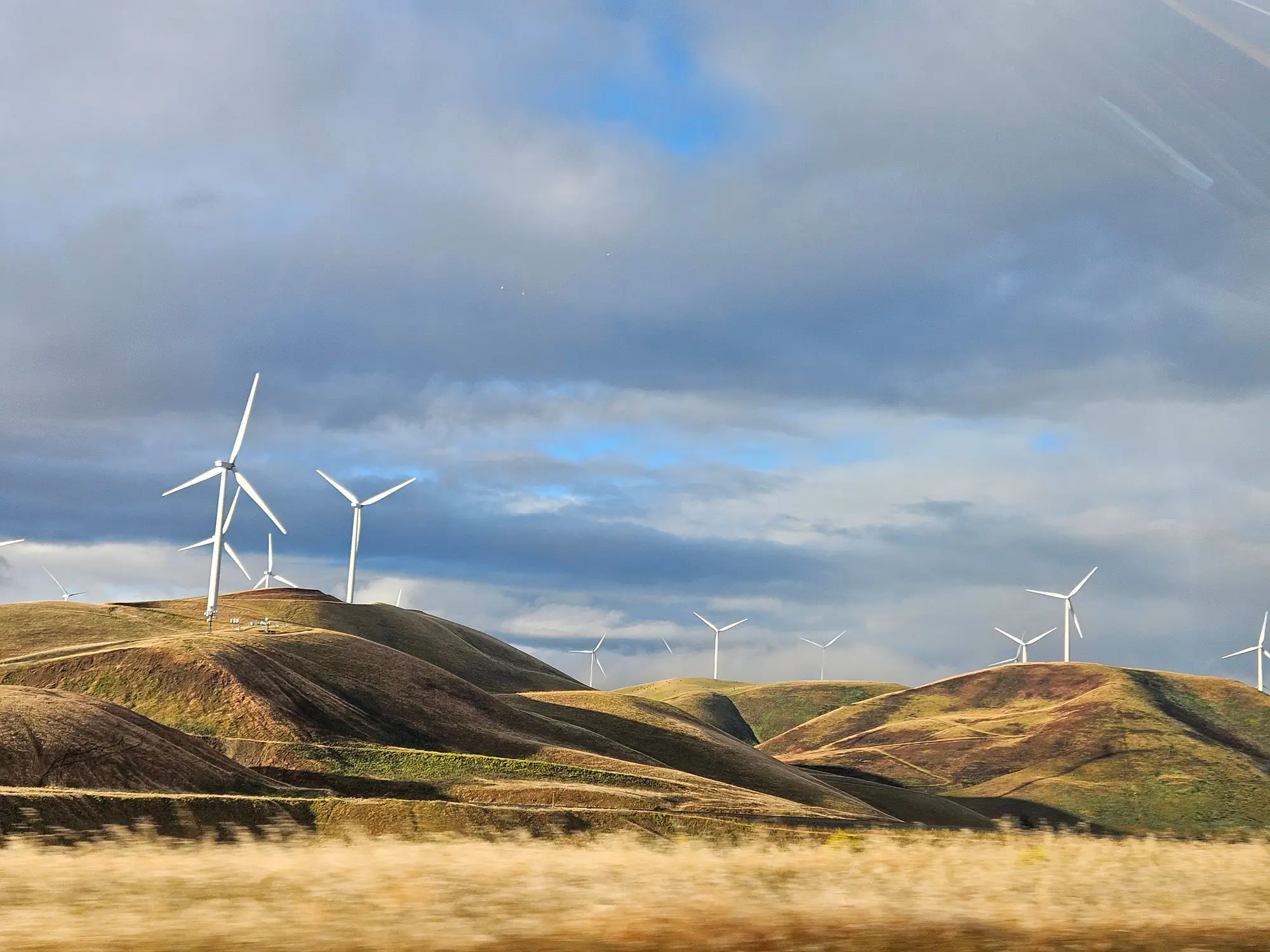
If you've asked a planning consultant whether a site qualifies for "like-for-like" repowering and got a paragraph back instead of a straight answer, that's because there isn't a statutory definition that settles it. "Like-for-like" is a planning concept, applied case by case: local authorities weigh the new turbine against the consented one on height, rotor diameter, footprint and effect. The Town and Country Planning Act doesn't give you a checkbox test for it.
That matters because the phrase gets used loosely in the sector. Developers sometimes mean "same number of turbines, same rough location." Planning officers usually mean something narrower: would the replacement machine change the development's impacts enough that the original consent's assumptions no longer hold.
Why "like-for-like" isn't a fixed test
Most UK wind consents were granted 15 to 25 years ago, when turbine models topped out well below what's standard today. A repower almost always means a taller tower, a bigger rotor, or both, because that's where the modern cost case comes from. The moment hub height or blade tip height increases materially, most LPAs treat the proposal as a new development requiring a fresh application rather than a minor variation, even if the turbine count and layout stay identical.
There's no permitted development route that gets a commercial repower around this. The PD rights that exist for microgeneration and small-scale installations don't extend to utility-scale wind, and condition 4 or 5 on most original consents (the ones setting a time limit, typically 25 years, after which the turbines must come down or be re-consented) puts the site back through full planning either way once that clock runs out. So "like-for-like" rarely saves you the application. What it can do is narrow the scope of what the application needs to prove.
What planning officers actually look at
When an LPA judges whether a replacement sits close enough to the original to avoid a full fresh impact assessment, the comparison tends to run on a handful of measures:
- Hub height and blade tip height against the consented envelope
- Rotor diameter and swept area, which drives noise and shadow flicker modelling
- Foundation and hardstanding footprint, relevant to habitat, drainage and archaeology conditions
- Turbine count and layout, since moving a position even slightly can reopen visual impact and ecology assessments
- Noise and shadow flicker output at the nearest sensitive receptors, compared against the original approved limits
A site where the replacement turbine fits inside the original noise and flicker envelope, sits on the same or a reduced footprint, and doesn't shift blade tip height dramatically has a genuinely easier path. It may still need full planning, but the application can lean on the existing baseline data rather than starting impact assessment from zero. A site where the new model is a full generation larger, with a rotor diameter well beyond the original turbine's, is heading for a standard greenfield-style application regardless of what the asset owner calls it.
Why this matters for your repowering list
None of this is decided before you file. But you can tell a lot about which way a site is likely to lean before you commission a planning consultant, just from knowing what's standing there now. A site running an early-2000s model with a modest rotor and tower height is sitting on a consent built around a much smaller impact envelope than almost any viable replacement turbine today, which usually means a fuller re-assessment. A site that was repowered or consented more recently, running a larger modern turbine already, has a narrower gap to close if it needs replacing again down the line.
That's the sorting problem before the planning problem: knowing, across a whole portfolio, which sites are running turbine models old enough that end of life and a consent review are both coming, and which of those have the smaller gap between what's installed and what a sensible replacement would look like. Repowering Candidates was built to do that first pass, turning a model footprint and an imagery history into a ranked list of sites worth the planning team's time, without someone working through turbine spec sheets site by site.
If you're trying to work out where to point the consenting budget first, that's worth a look.