Field notes: the week two near-identical sites got opposite consent odds
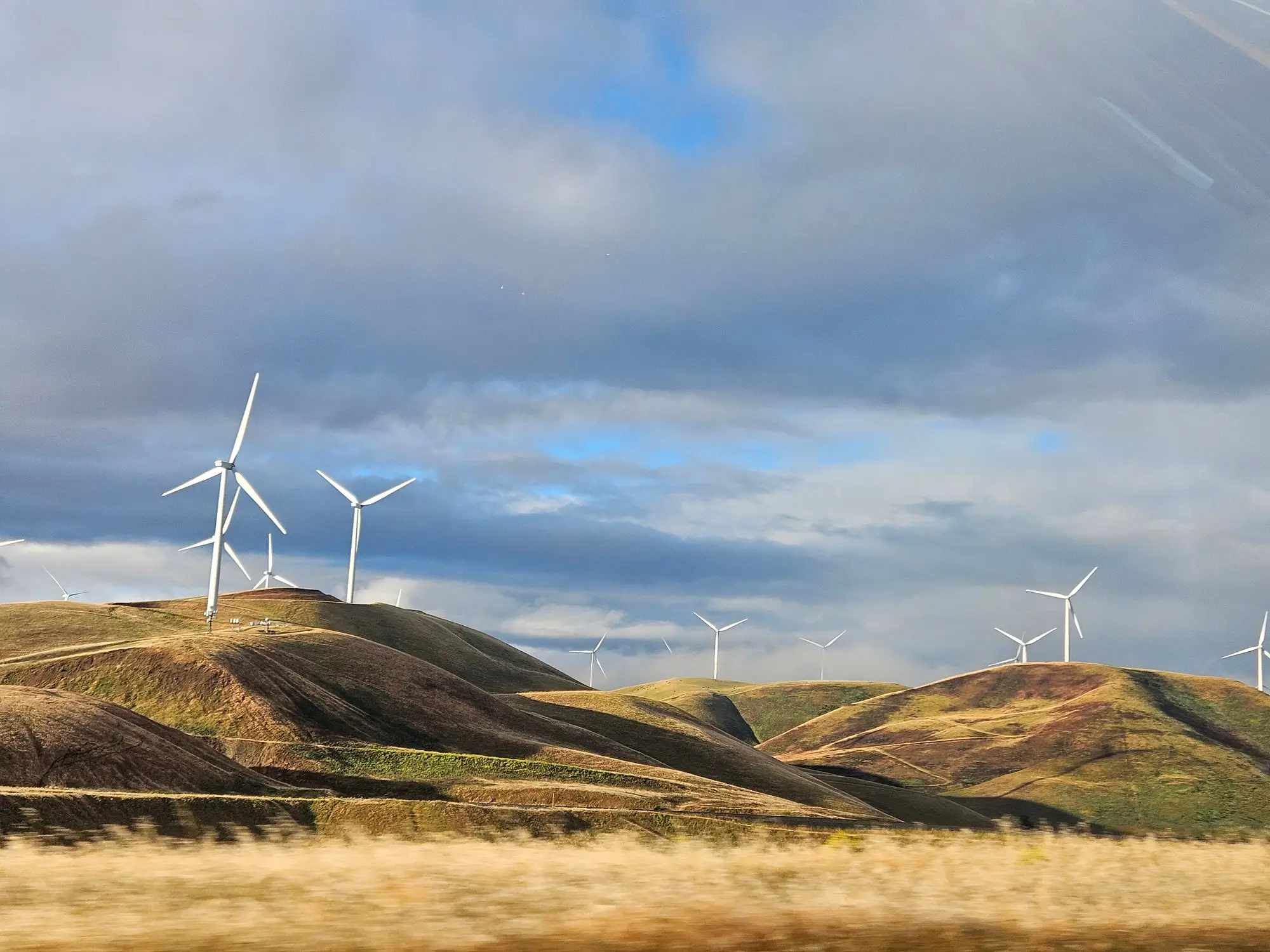
Two sites landed on my desk the same week. Same turbine model, a mid-2000s fleet running 80 m hubs, both commissioned within a year of each other, both approaching the point where the O&M contract renewal is going to cost more than the business case for a repower. On paper, run the same model footprint against either one and you'd expect the same answer: ageing kit, worth a look, go scope it.
Pulling the imagery history on both told a different story.
Site A sits on a ridge that's had the same three fields of sheep around it since the first clear VHR pass I could find. A hedgerow's thickened a bit along the eastern boundary. A farm track got resurfaced at some point. Otherwise the visual envelope hasn't moved in over a decade. No new rooflines anywhere near the setback distance, no change to the nearest settlement edge. If the planning authority's main objection last time round was shadow flicker on three cottages half a mile off, that objection hasn't gained any new neighbours to worry about.
Site B, same turbine, same rough vintage, tells the opposite story frame by frame. Follow the annual passes forward from commissioning and you watch a housing estate arrive in stages: groundworks one year, roof trusses the next, a fully built-out cul-de-sac the year after that, and then a second phase pushing the settlement edge another couple hundred metres closer to the turbine row. What was open farmland when the site went in is now back gardens. The noise envelope that was comfortably clear in year one is now sitting a lot closer to houses that didn't exist when the original consent was granted.
Nobody on my team flagged this by pulling site photos. The repowering lead on the portfolio side had a hunch about Site B because he'd driven past it on the way to another job and noticed the estate, but that's the kind of thing you only catch if you happen to be on that road. Most of this portfolio nobody's driven past in years. That's the actual problem with ranking repower candidates off a spreadsheet of commissioning dates and turbine models: the model footprint tells you the kit is old enough to swap out, but it says nothing about whether the ground around it has quietly filled in with the exact thing that makes a new consent hard to get.
This is why I've stopped trusting "age plus model" as a proxy for "worth pushing." Two sites can retire the same fleet on the same timeline and be nowhere near the same proposition to a case officer. One's still isolated. One's now got a planning committee that's going to hear from three hundred households who weren't there for the first application. I'd rather give the easy one a running start on the consent push and give the hard one to a planner who knows it's going to be a fight, than send both into the same queue with the same priority tag.
What I wanted, and what finally exists, is something that does this cross-referencing from the imagery itself rather than from a hunch and a commute. Repowering Candidates ages the fleet off model footprint and checks the imagery history around each site for exactly this kind of change, so the ranking accounts for what's grown up next door as well as how old the blades are.
If your fleet list has sites that look identical on paper, it's worth seeing which ones actually still look identical on the ground.